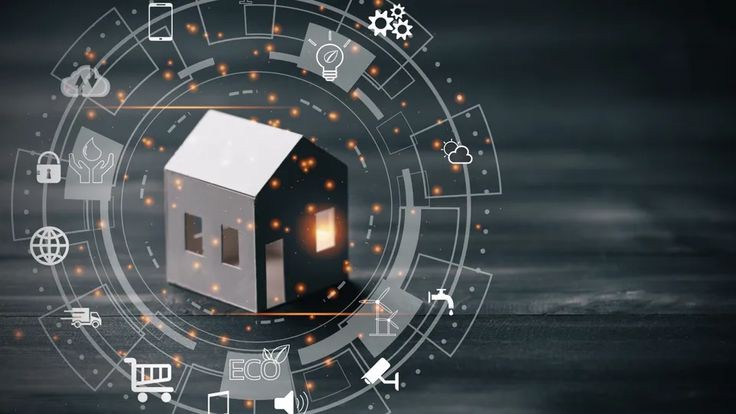
Definition:A smart home technology is a home setup in which appliances and devices can be automatically controlled remotely from anywhere with an internet connection using a mobile or other networked device. A smart home’s devices are linked together via the internet, allowing the user to control functions such as home security, lighting, and entertainment from afar.
How smart technology work / users:
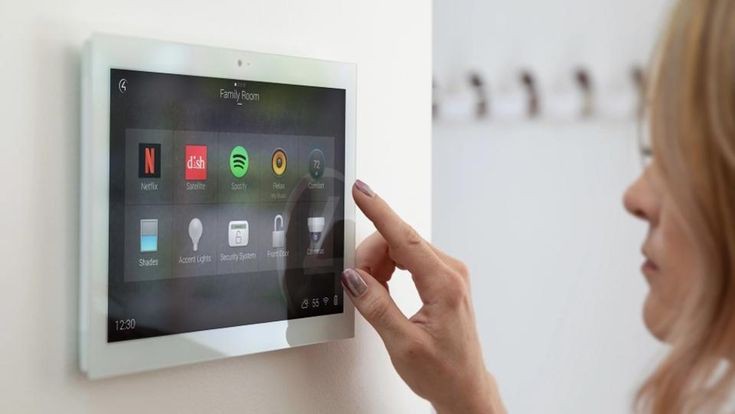
Everything in your home is controlled by a single Home Automation system called Central Control. It lets you to operate your lights, thermostat, sprinklers, phone, washer, dryer, and other appliances from a single location. It’s also highly common with security systems for home automation. Businesses and affluent individual houses are the most common users of this form of home automation.Typically, Central Control systems are controlled using a wall-mounted console, similar to those used in home security systems. A remote control device, smartphone, tablet, or computer can also be used to access them.
Application:
Home automation can be found in a variety of settings, including:Heating, ventilation, and air conditioning (HVAC): All home energy monitors can be controlled remotely via the internet using a simple and user-friendly interface.Lighting control system: a “smart” network that communicates between different lighting system inputs and outputs via one or more central computing devices.Occupancy-aware control system: smart meters and environmental sensors such as CO2 sensors can be used to detect home occupancy and trigger automatic responses for energy efficiency and building comfort applications.Controlling appliances and integrating them with the smart grid and a smart meter, allowing them to take advantage of high solar panel output, for example.
Advantages of smart home technology:
Being able to keep all of the technology in your home connected through one interface is a massive step forward.
Smart home systems tend to be wonderfully flexible when it comes to the accommodation of new devices and appliances.
When you incorporate security and surveillance features in your smart home network, your home security can skyrocket.
Smart homes can also help you run your appliances better.
You can have more precise control over the heating and cooling of your home with a programmable smart thermostat.
An intelligently designed home theater and audio system can make managing your movie and music collection effortless.
Disadvantages:
A Wi-Fi network that is connected to the internet may be vulnerable to hacking. Google discontinued the Revolv Hub home automation system in 2016, rendering the hardware obsolete. When deciding between different home automation products, consumers prioritize ease-of-use over technical innovation.
Reference:
Hill, Jim (12 September 2015). “The smart home: a glossary guide for the perplexed”. T3. Retrieved 27 March 2017.
Rye, Dave (October 1999). “My Life at X10”. AV and Automation Industry eMagazine. AV and Automation Industry eMagazine. Archived from the original on September 30, 2014. Retrieved October 8, 2014.
Mandula, K.; Parupalli, R.; Murty, C. A. S.; Magesh, E.; Lunagariya, R. (December 2015). “Mobile based home automation using Internet of Things(IoT)”. 2015 International Conference on Control, Instrumentation, Communication and Computational Technologies (ICCICCT): 340–343. doi:10.1109/ICCICCT.2015.7475301.
 Inquire technology